Meaning
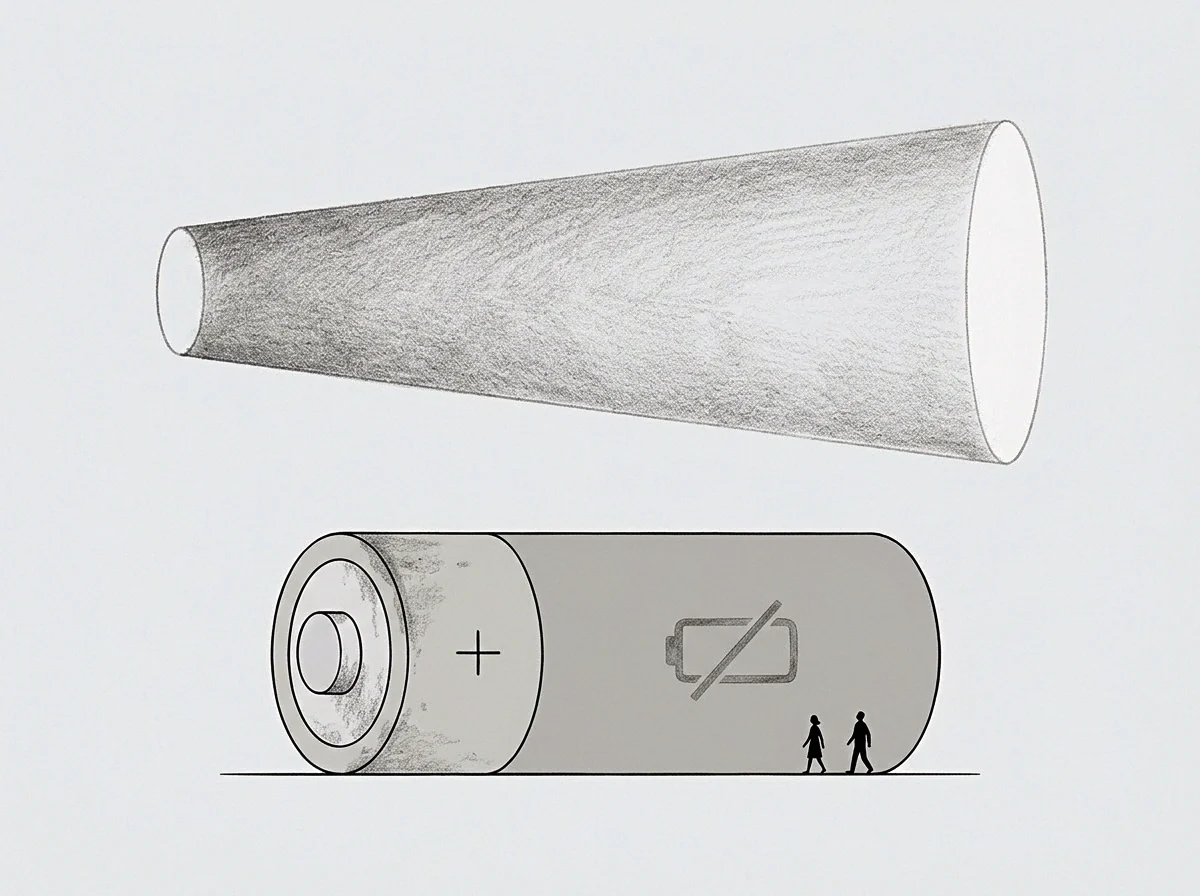
Architectural boundaries, operational limitations and governance policies deliberately restrict the design choices available to engineers to protect the broader systemic environment. Through the implementation of structural constraints, technical systems enforce restrictions such as immutable data contracts, hard memory allocations, restricted network topologies and non-negotiable coding conventions. These limits cease to apply in fully greenfield research environments, isolated sandboxes or unconstrained proof-of-concept projects where exploratory flexibility takes precedence over system stability.
Design Boundary
Deliberate systemic boundaries limit the scope of engineering innovation to safeguard global architectural coherence. By narrowing the allowable technology stacks, serialization protocols and database query mechanisms, an enterprise prevents the proliferation of unmaintainable, idiosyncratic technical solutions. Developers operate within a restricted design space that channel their energy toward solving functional business problems rather than reinventing core platform components.
This limitation reduces systemic complexity across the organization, simplifying long-term infrastructure maintenance. Structural constraints balance individual creativity with predictable organizational stability.
Performance Sacrifices
Restrictive system rules frequently prevent engineers from achieving maximum theoretical performance within specific, isolated software components. A hard restriction against direct memory access or raw network sockets forces developers to use generic, higher-level framework abstractions that introduce runtime overhead. To optimize a deeply specialized algorithm, an engineer must either request an explicit architectural exemption or engage in complex, inefficient workarounds.
The system accepts these localized performance penalties as an acceptable trade-off for cross-cutting consistency and maintainability. Technical organizations sacrifice hyper-optimized isolation to guarantee macroscopic operational reliability.
Safety Invariants
Hard architectural limitations serve as an automated safeguard against catastrophic failures and unmonitored security degradation. By establishing strict execution sandboxes, rigorous permission models and immutable deployment boundaries, the platform ensures that even badly designed software components cannot compromise adjacent infrastructure. The system protects itself through its structural geometry rather than through reliance on developer discipline or manual code reviews.
These self-enforcing boundaries preserve systemic continuity during unexpected incidents or rapid team turnover. Structural constraints remain the primary structural mechanism that prevents local developer errors from causing systemic enterprise failures.