Meaning
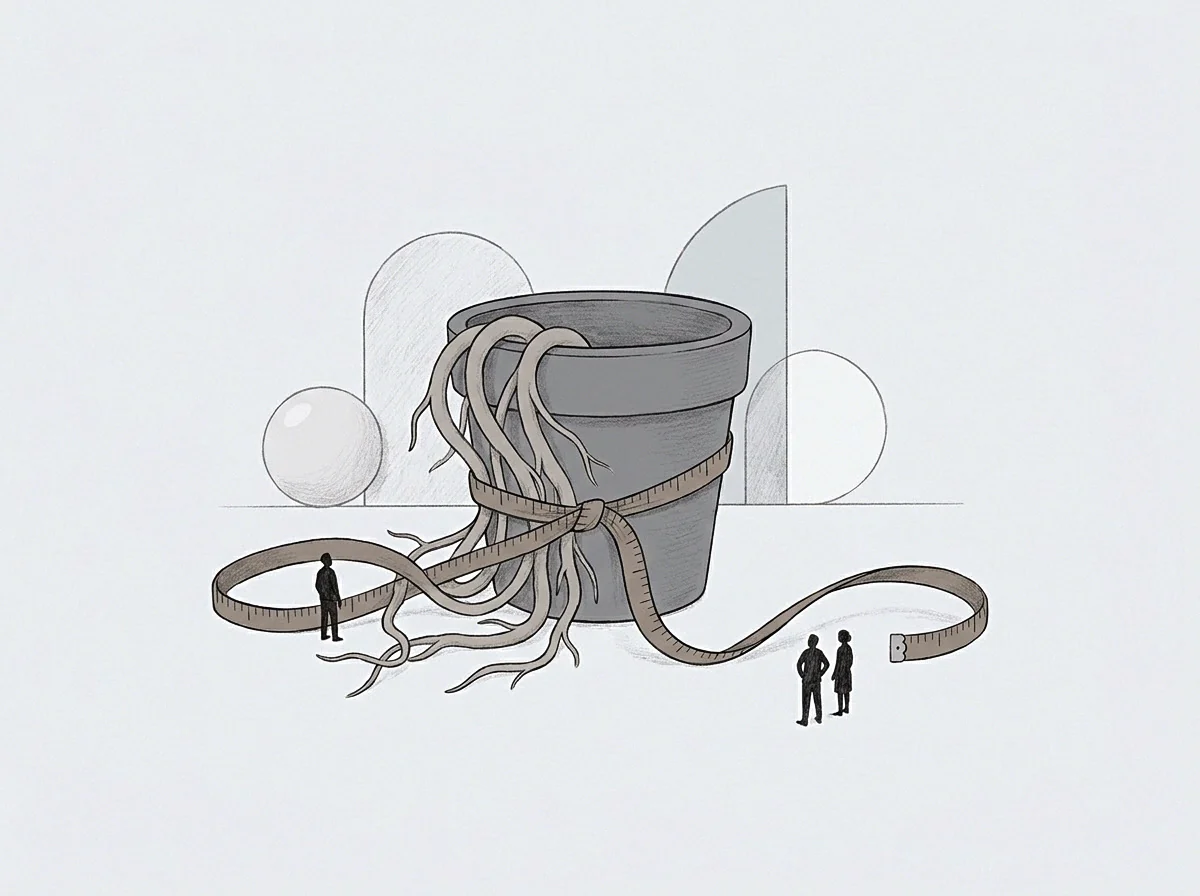
Per-transaction profitability degradation captures the decline in net contribution margin generated by an individual unit of product delivery or service execution. This unit economics erosion measures the widening deficit between average revenue per unit and the fully loaded variable cost required to create, deliver, and service that unit over its operational life. The metric governs product pricing sustainability, variable cost containment, and operational scalability, ending when variable unit costs drop below realized unit revenues or when the underlying commercial line is shut down.
Cost Escalation
Computational hosting costs expand when software optimization fails to keep pace with customer data ingest volumes. Customer support overhead climbs per account as onboarding complexity forces dedicated implementation personnel to perform tasks designed for automation. Payment processing fees, channel partner commissions, and regulatory licensing costs compound across international commercial expansions.
Promotional price discounting or aggressive enterprise volume discounting reduces the realized revenue per unit below sustainable operational thresholds.
Margin Degradation
Contribution margins turn negative when the variable delivery expenses outpace the lifetime value collected from the end user. Customer acquisition costs increase under competitive bidding for digital advertising channels or through extended enterprise sales cycles requiring senior executive involvement. High customer churn shortens average account lifespans, preventing the organization from amortizing initial customer acquisition expenses over multi-year periods.
Free-tier platform usage consumes unrecoverable cloud compute resources without converting into commercial revenue tiers.
Viability Crisis
Expanding sales volume accelerates overall operational cash burn when every incremental transaction consumes more capital than it returns. Private enterprise equity ceases to support commercial models that cannot demonstrate path-to-profitability at scale. Operational leadership is forced into abrupt headcount reductions, customer contract renegotiations, or service cancellations to stem immediate cash bleed.
Long-term platform research halts as working capital is redirected toward servicing near-term vendor payables. Unit economics erosion marks the mechanical point where operational growth transitions from a value-creating activity into a value-destroying liability.