

Managing Capacity Disparities in Long Term Business Partnerships
Capacity disparities in long-term partnerships resolve when operational contributions are converted into explicit financial fees while equity reflects capital ownership.

Capacity disparities in long-term partnerships resolve when operational contributions are converted into explicit financial fees while equity reflects capital ownership.

Unspoken obligations in growing ventures create structural drag that reduces discretionary effort, delays decisions, and inflates cap table remediation costs.

Unstated equity expectations convert unpriced historical contributions into expanding capitalization liabilities that trigger severe operational disruption at scale.

Dynamic equity vesting adjusts founder share accrual velocity upon operational role changes, balancing past contribution against ongoing execution obligations.

Operational labor separation resolves founding partner contribution disputes by uncoupling initial risk equity from ongoing market rate compensation.

Institutional financing forces unstated informal contributions to convert into formal equity or cash releases before investor capital closes.

Formalizing founder debt converts unpriced social provision into senior liability, causing co-builders to reduce discretionary effort down to contractual minimums.

Converting unpaid contributions into enforceable debt requires a mutual release of past wage claims as valid consideration for issuing structured notes.

Retroactive software valuation quantifies unpapered technical labor into cash debt or equity credits during founder disputes.

Formal audits resolve resentment by separating moral debt from commercial equity, replacing retroactively discounted wages with explicit forward agreements.

Equity imbalances from unbilled labor are restructured via convertible deferred wage notes, dynamic equity reallocations, and amended reverse vesting agreements.

Converting uncompensated founder labor into formal corporate debt replaces implicit obligations with enforceable liabilities subject to tax and bankruptcy rules.

Auditing personal subsidies surfaces unrecorded financial support in early startups, converting unstated personal debts into formal equity or debt instruments.

Unreinforced executive directives erode against established incentives, creating structural friction that triggers psychological contract breach when enforced retroactively.

Unpoliced early founding parameters generate covert expectations that surface as diagnostic behavioral friction when explicit governance terms arrive.

Early informal asset claims resolve through structured equity buyouts, negotiated copyright assignments, or complete clean-room technical excision of contested code.

Institutional equity transitions replace pre-funding sweat grants with time-based vesting schedules through lookback credit agreements or share recapitalizations.

Operational compliance from single unreinforced statements measures execution fidelity by calculating drift without secondary management intervention.

Technical founder dilution balances against pre-incorporation code value when capitalization agreements explicitly separate historical asset equity from forward labor.

Unstated contribution tallies between co-founders build psychological debt that destabilizes equity splits unless explicit legal vesting terms replace them.

Generalized reciprocity operates on unquantified, open-ended relational exchanges, while commercial agreements mandate explicit consideration, schedules, and legal recourse.

Exchanging unpriced software for equity creates ordinary income exposure unless structured as a section 351 property transfer with nominal pricing.
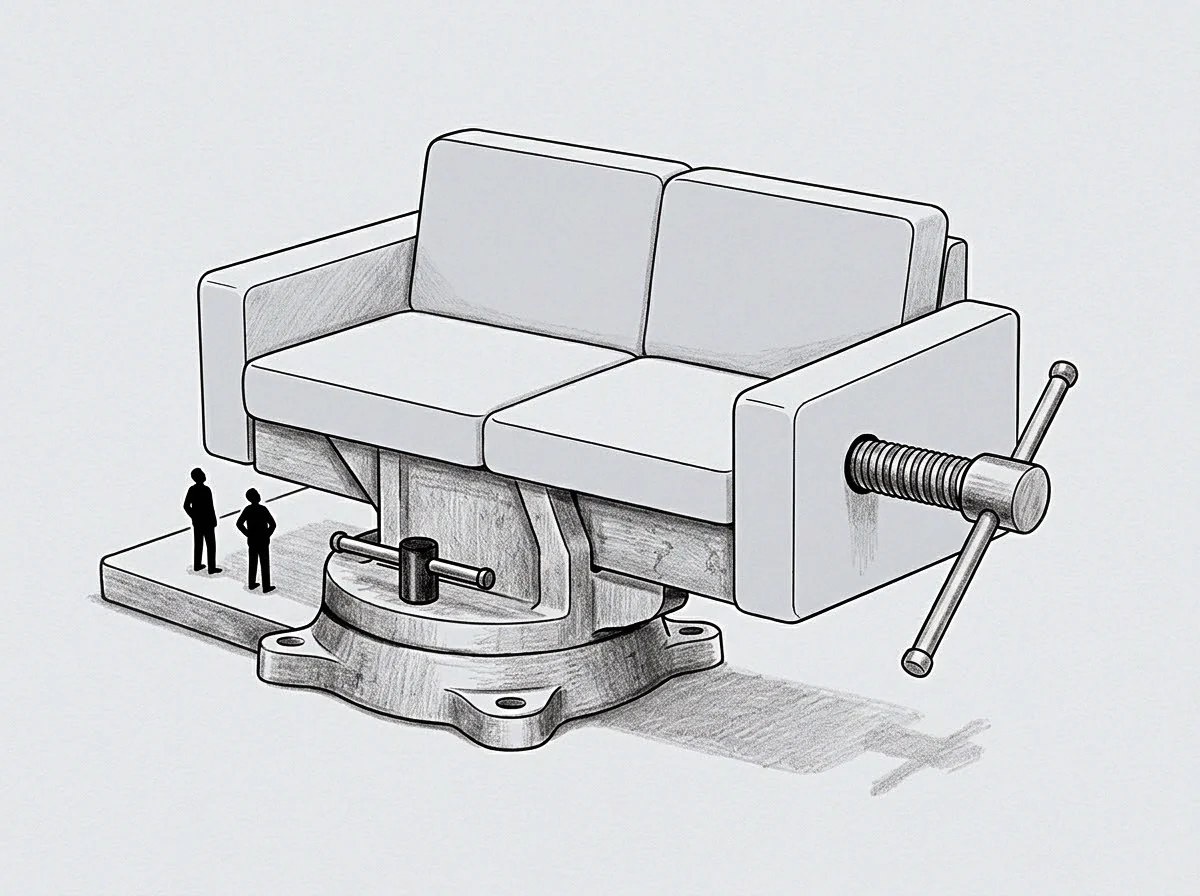
Dynamic performance covenants resolve default friction by establishing pre-agreed financial corridors that adapt to planned operational capital deployment.

Pre-incorporation code remains personal property until written assignment agreements convert author software into corporate capital at entity formation.

Converting informal sweat equity into corporate promissory notes trades unstated partner reciprocity for enforceable debt while contracting future discretionary effort.

Dynamic equity allocation triggers psychological contract breach when mathematical contribution tracking retroactively alters unstated relational expectations.

Early term drafting converts implicit expectations into explicit provisions, filtering incompatible partners and preventing psychological contract breaches.

Unstated covert expectations in scale stage partnerships create unbilled psychological debt that converts into severe equity friction and decision paralysis.

Historical operational subsidies are resolved by auditing personal outlays, valuing uncompensated labor against market rates, and executing explicit debt or equity restructuring contracts.

External capital forces dynamic implicit agreements into static legal equity allocations, triggering psychological contract breach and destroying early team cohesion.
The terms are written where they belong. Each field holds three desks, and every entry a desk writes raises the terms it uses, each term given a meaning, a mechanism and the places it appears. The record on these pages stays first person and hand made; the fields grow the nomenclature.