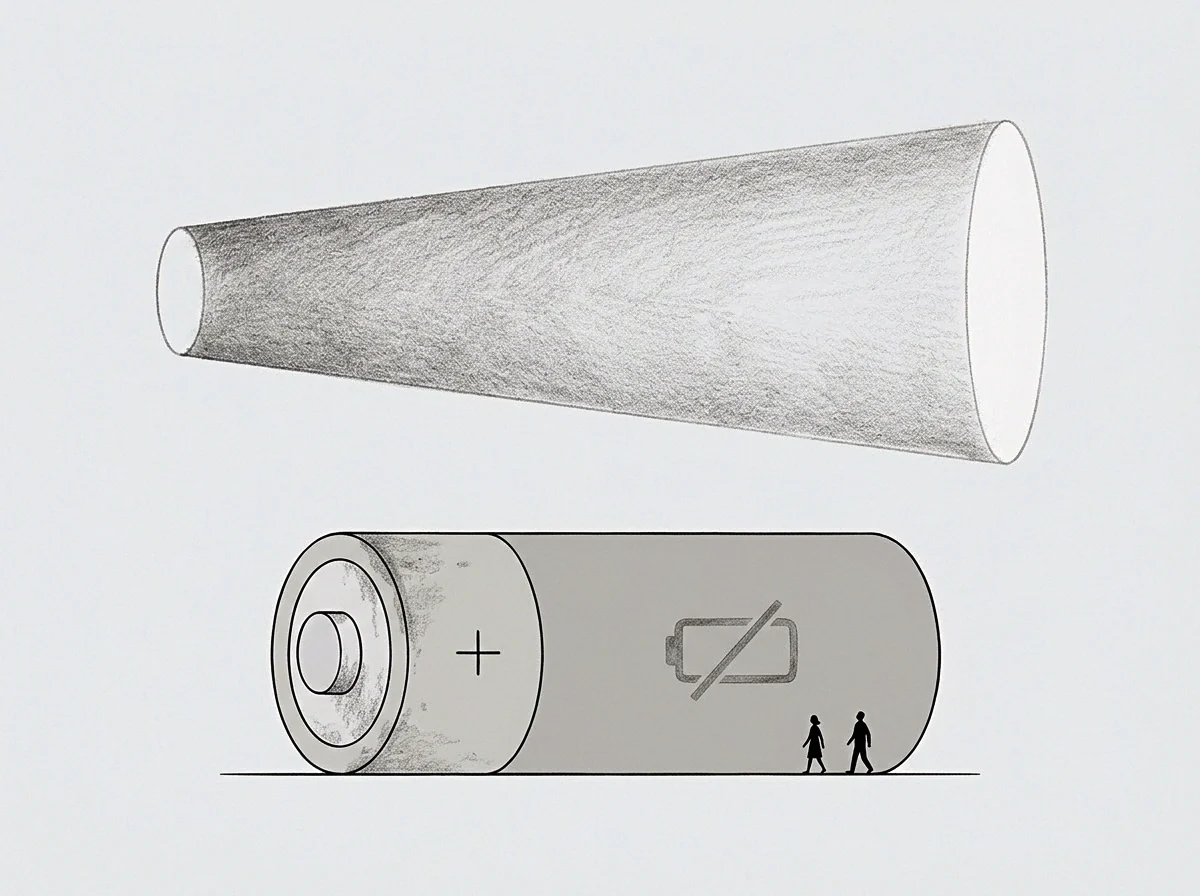
Showing up without being asked, giving something, keeping no count. Reciprocity is barter that is never quantified, and its value is the arrival, never the amount. What is given without expectation can be accepted; what cannot be accepted was never a gift.
Early relational equity converts to formal corporate executive seats only when historical contributions are contractually decoupled from operational governance capacity.
Informal pre-incorporation assistance requires explicit settlement through IP assignment or cash rather than permanent equity grants that distort cap tables.
Corporate governance impasses resolve by converting passive voting equity into non-voting preferred stock to separate operational control from economic dividends.
Static equity allocations decay when fixed ownership percentages cease reflecting the ongoing operational work and capital required to sustain a corporate partnership over time.
Resolving foundational property rights requires formalizing past informal labor through intellectual property assignments, restricted stock, and cash settlement.
Inactive founder equity retains financial upside while voting control transfers to active operators through irrevocable proxies or non-voting stock recapitalizations.
Unstated relational debt converts into disputed equity claims unless founders separate personal goodwill from commercial capitalization via explicit vesting agreements.
Pre-incorporation sweat converts to stock through property assignment under Section 351 or par-value restricted stock purchase with an 83(b) tax election.
Pre-incorporation equity division standardizes past unquantified sweat and future operational commitments into formal legal structures before incorporation.
Informal advisory work converts into Series A equity by replacing pre-seed social obligations with formal board-approved option grants tied to forward vesting.
Section 351 consideration clauses transfer early software assets as tax-free property exchanges when incorporators maintain eighty percent corporate voting control.
Dynamic governance mechanics adjust equity and voting power by tracking unpriced founder labor against capital contributions through weighted conversion pools.
Converting early communal equity to institutional governance requires identifying covert psychological covenants and replacing them with explicit legal terms.
Early founder equity realignment replaces unstated social agreements with market compensation benchmarks and dynamic vesting terms to sustain enterprise growth.
Early unprompted sacrifices operate under generalized reciprocity, creating covert claims that trigger governance ruptures when formal contracts force market valuation.
Formalizing early founder equity converts unquantified historical effort into fixed legal ownership through time-bound vesting and stated asset transfers.
Unexpressed partner expectations convert into formal operating contracts by inventorying implicit debts and replacing informal barter with explicit vesting schedules.
Capacity disparities in long-term partnerships resolve when operational contributions are converted into explicit financial fees while equity reflects capital ownership.
Six fields, each writing its own terms
The terms are written where they belong. Each field holds three desks, and every entry a desk writes raises the terms it uses, each term given a meaning, a mechanism and the places it appears. The record on these pages stays first person and hand made; the fields grow the nomenclature.