

Showing Up Unprompted And Keeping No Count
Unprompted giving functions through immediate operational absorption without tracking, while converting gifts into debt destroys collaborative agency.
Unprompted giving functions through immediate operational absorption without tracking, while converting gifts into debt destroys collaborative agency.
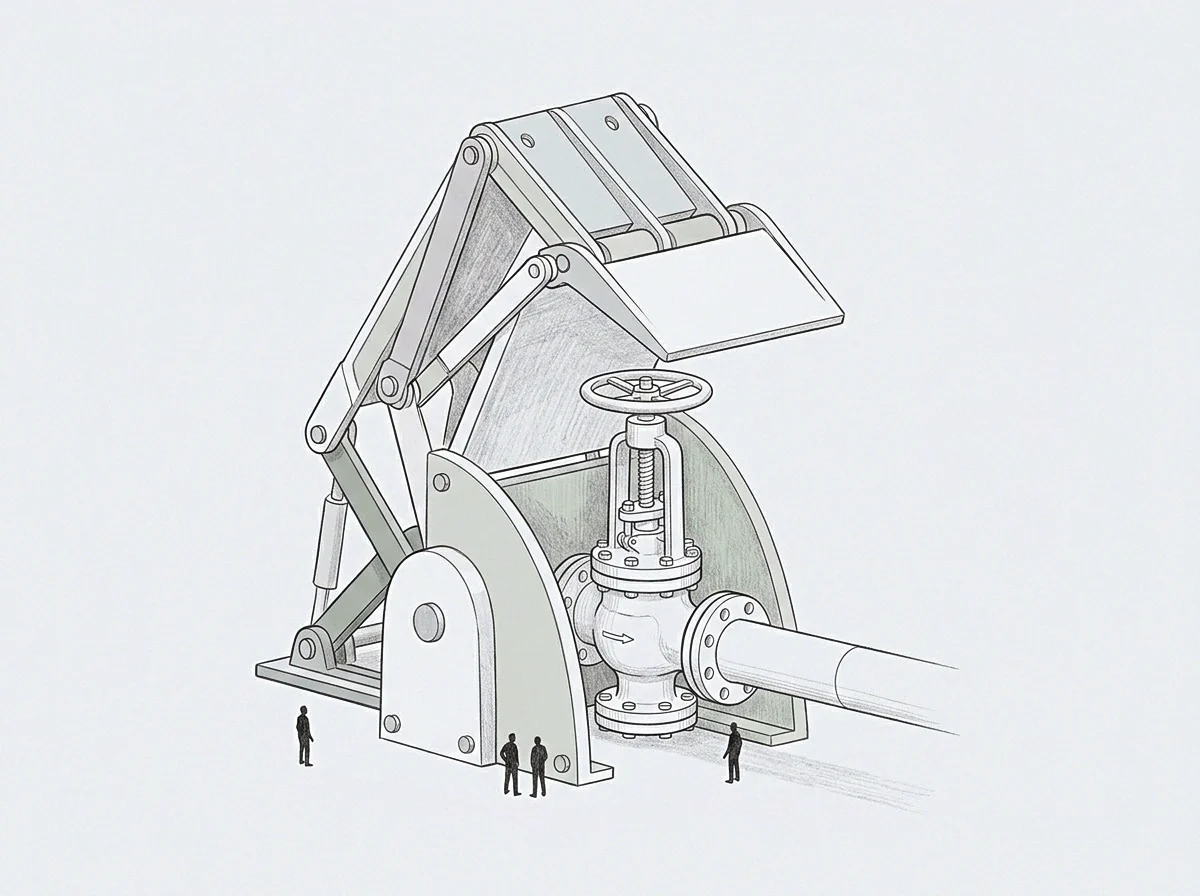
Contribution disputes resolve by isolating personal support from commercial equity, preventing retroactive conversion of unprompted favors into corporate debt.

Unprompted pre-incorporation technical work resolves through objective market replacement value, explicit intellectual property release, or structured future equity vesting terms.

Early contributor goodwill converts into formal executive charters by decoupling past equity recognition from operational competence criteria.

Converting informal cofounder contributions into formal executive positions creates relational friction when historical unpriced equity conflicts with operational compensation.

Formal governance codification breaks generalized reciprocity in founder teams by converting unquantified historical sacrifices into rigid contractual parity.

Early unpriced labor is converted into formal governance equity by establishing historical market replacement benchmarks adjusted for capital risk.

Pre-incorporation contribution agreements standardize equity allocations by converting unquantified early contributions into formal corporate ownership terms.

Long-term governance viability requires separating economic equity from voting control when operational contributions permanently diverge between founders.

Resolving multi-decade equity divergence requires separating passive capital yields from market-rate executive labor through structured equity recapitalizations.

Converting informal technical favors into equity involves establishing clear contribution dates, market valuation benchmarks, and formal advisory agreements.

Unilateral equity restructuring converts unquantified relational trust into explicit financial grievance, permanently degrading operational collaboration.

Early sweat equity valuation prices uncompensated labor using market replacement rates and risk multipliers before formal corporate governance freezes cap tables.

Automated valuations in board resolutions mask unstated founder contributions, leaving proprietary asset titles exposed to rescission and director liability.

Formal audits resolve resentment by separating moral debt from commercial equity, replacing retroactively discounted wages with explicit forward agreements.

Retroactive software valuation quantifies unpapered technical labor into cash debt or equity credits during founder disputes.

Capacity disparities in long-term partnerships resolve when operational contributions are converted into explicit financial fees while equity reflects capital ownership.

Transitioning uncounted contributions into executive titles requires separating retrospective equity compensation from prospective operational authority.

Converting generalized reciprocity into venture governance contracts settles unstated contribution debts by executing formal equity grants with definitive liability waivers.

Dynamic governance mechanics adjust equity and voting power by tracking unpriced founder labor against capital contributions through weighted conversion pools.

Section 351 consideration clauses transfer early software assets as tax-free property exchanges when incorporators maintain eighty percent corporate voting control.

Unpaid pre-seed labor converts into formal equity grants or debt notes through contemporaneous documentation prior to institutional valuation events.

Informal preincorporation partnership claims extinguish through valid independent consideration that exchanges undefined co-ownership for explicit instruments.

Pre-incorporation equity division standardizes past unquantified sweat and future operational commitments into formal legal structures before incorporation.
Operational capacity divergence occurs when unstated labor disparities clash with static governance, paralyzing corporate decision structures.

Inactive founder equity retains financial upside while voting control transfers to active operators through irrevocable proxies or non-voting stock recapitalizations.

Corporate governance impasses resolve by converting passive voting equity into non-voting preferred stock to separate operational control from economic dividends.

Informal pre-incorporation assistance requires explicit settlement through IP assignment or cash rather than permanent equity grants that distort cap tables.

Informal code contributions carry covert debt expectations that resolve only when converted into market-valued equity paired with full IP assignment.

Early contributor relational capital dissolves under corporate governance when informal reciprocity is not converted into formal legal instruments.
The terms are written where they belong. Each field holds three desks, and every entry a desk writes raises the terms it uses, each term given a meaning, a mechanism and the places it appears. The record on these pages stays first person and hand made; the fields grow the nomenclature.