
Managing Person Channel Boundaries During Founder Contribution Disputes
Contribution disputes resolve by isolating personal support from commercial equity, preventing retroactive conversion of unprompted favors into corporate debt.
Contribution disputes resolve by isolating personal support from commercial equity, preventing retroactive conversion of unprompted favors into corporate debt.

Separating operational labor into market-compensated contracts protects founding equity allocations from contribution disputes and relational breakdown.

Unstated covert contracts dissolve when organizations separate historic equity rights from active labor value through explicit governance agreements.
Institutional equity transitions replace pre-funding sweat grants with time-based vesting schedules through lookback credit agreements or share recapitalizations.

Equity imbalances from unbilled labor are restructured via convertible deferred wage notes, dynamic equity reallocations, and amended reverse vesting agreements.

Formal audits resolve resentment by separating moral debt from commercial equity, replacing retroactively discounted wages with explicit forward agreements.

Dynamic equity vesting adjusts founder share accrual velocity upon operational role changes, balancing past contribution against ongoing execution obligations.

Drafting explicit equity terms in early venture stages acts as a behavioral filter that aligns unstated expectations before capital and effort accrue.
Dynamic equity allocation and structured vesting schedules prevent co-founder conflict by binding ownership to verifiable contributions rather than early emotion.
Unstated early founder commitments create covert psychological contracts that produce escalating equity disputes when formal valuation events force explicit tallies.

Pre-incorporation equity division standardizes past unquantified sweat and future operational commitments into formal legal structures before incorporation.
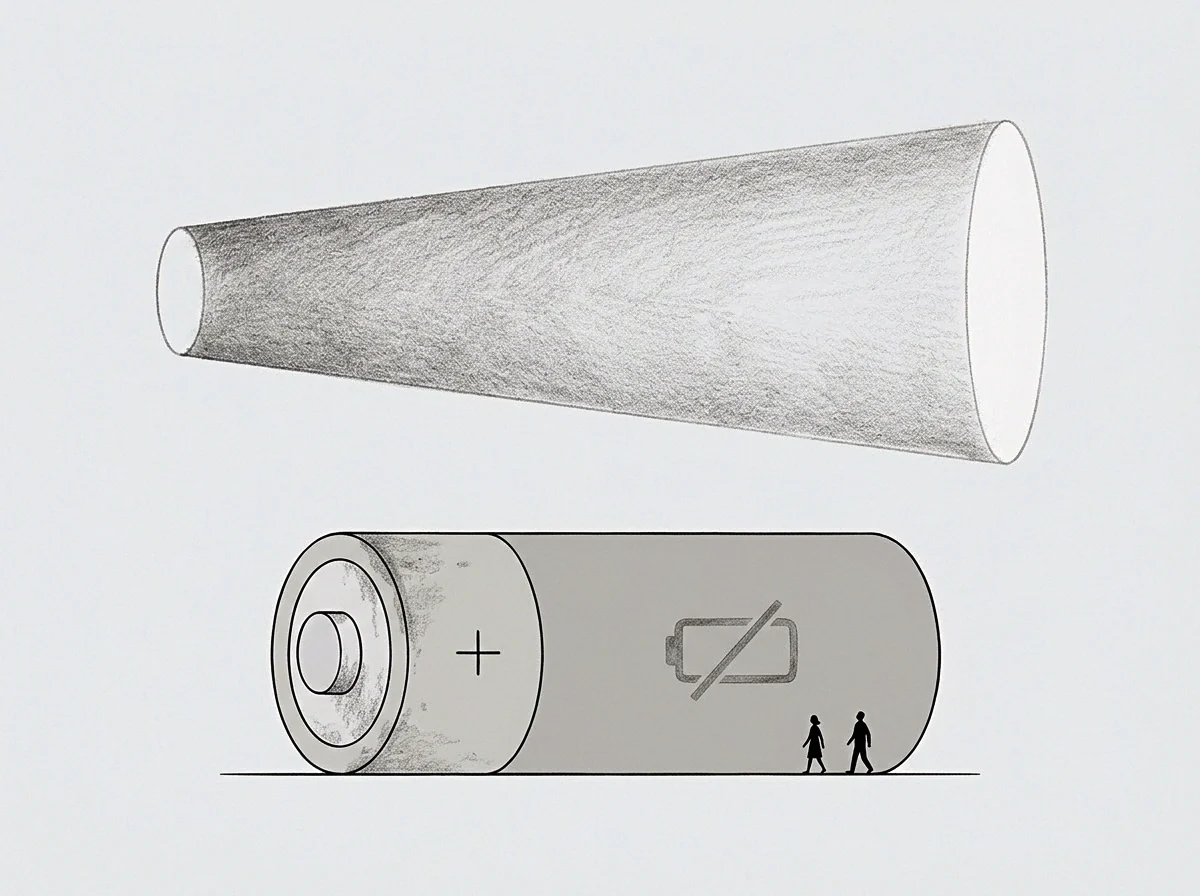
Operational capacity divergence occurs when unstated labor disparities clash with static governance, paralyzing corporate decision structures.

Quantifying tacit effort converts unstated scaling labor into documented equity amendments through replacement cost modeling and prospective milestone vesting.

Early equity allocation uses structured vesting terms to price future tenure, protect ownership capacity, and settle founder separations without liquidation.

Dynamic equity models reallocate early venture shares continuously based on verified labor and capital inputs multiplied by specific risk factors until a freeze event.

Contingent equity allocation protocols resolve contribution mismatches by automatically adjusting founder ownership percentages through pre-stated risk-weighted input formulas.

Early contribution multipliers resolve equity disputes by scaling documented cash and replacement labor costs into objective, risk-weighted equity allocations.

Founder equity split negotiation converts qualitative commitments and risk allocations into legal share vesting rules that protect the enterprise from future operational drift.

Unstated psychological contracts in cofounder equity splits are resolved by auditing implicit expectations and formalizing milestone contingent vesting schedules.

Board-approved share surrender agreements and milestone advisory grants decouple unvested founder equity from unperformed operational tasks cleanly.

A two-tier vesting agreement separates equity granted for transferred technical assets from equity granted for forward engineering commitments.

Vesting modifications resolve covert partner operational contracts by binding future equity allocation to explicit performance milestones and stated terms.

Operational asymmetry breaks uncalculated partnership reciprocity, requiring founders to separate market-rate labor compensation from fixed equity ownership.

Early founder equity splits turn initial unstated expectations into structural conflict when static divisions precede measurable operational contributions.
Psychological contract breach in equity allocation occurs when unstated contribution expectations collide with static legal equity splits.

Co founder vesting schedules protect cap tables by subjecting allocated shares to time cliffs and repurchase options upon early operational departure.

Formalizing partnership equity through dynamic reverse vesting bridges relational trust and contractual equity, shielding enterprises from unstated debts.

Informal sweat equity converts into enforceable corporate ownership through restricted stock agreements, intellectual property assignments, and vesting schedules.

Initial equity splits in commercial joint ventures price unverified future contributions, creating operational friction that requires dynamic vesting mechanisms.

Dynamic equity reallocation models track early unpaid founder contributions using weighted multipliers to recalculate ownership until outside capital freezes the table.
The terms are written where they belong. Each field holds three desks, and every entry a desk writes raises the terms it uses, each term given a meaning, a mechanism and the places it appears. The record on these pages stays first person and hand made; the fields grow the nomenclature.