

A Term Stated Once Early And Never Reinforced
A term stated once early operates as a structural filter whose immediate response provides operational data before unstated expectations accrue cost.
A term stated once early operates as a structural filter whose immediate response provides operational data before unstated expectations accrue cost.

Early stated terms convert implicit operational expectations into binding performance covenants, preventing unvoiced contribution claims from fracturing equity.

Unreinforced operational terms generate immediate diagnostic response data, revealing alignment or breach before capital and personal capacity accrue.

Unstated covert expectations in scale stage partnerships create unbilled psychological debt that converts into severe equity friction and decision paralysis.

Early term drafting converts implicit expectations into explicit provisions, filtering incompatible partners and preventing psychological contract breaches.

Dynamic equity allocation triggers psychological contract breach when mathematical contribution tracking retroactively alters unstated relational expectations.
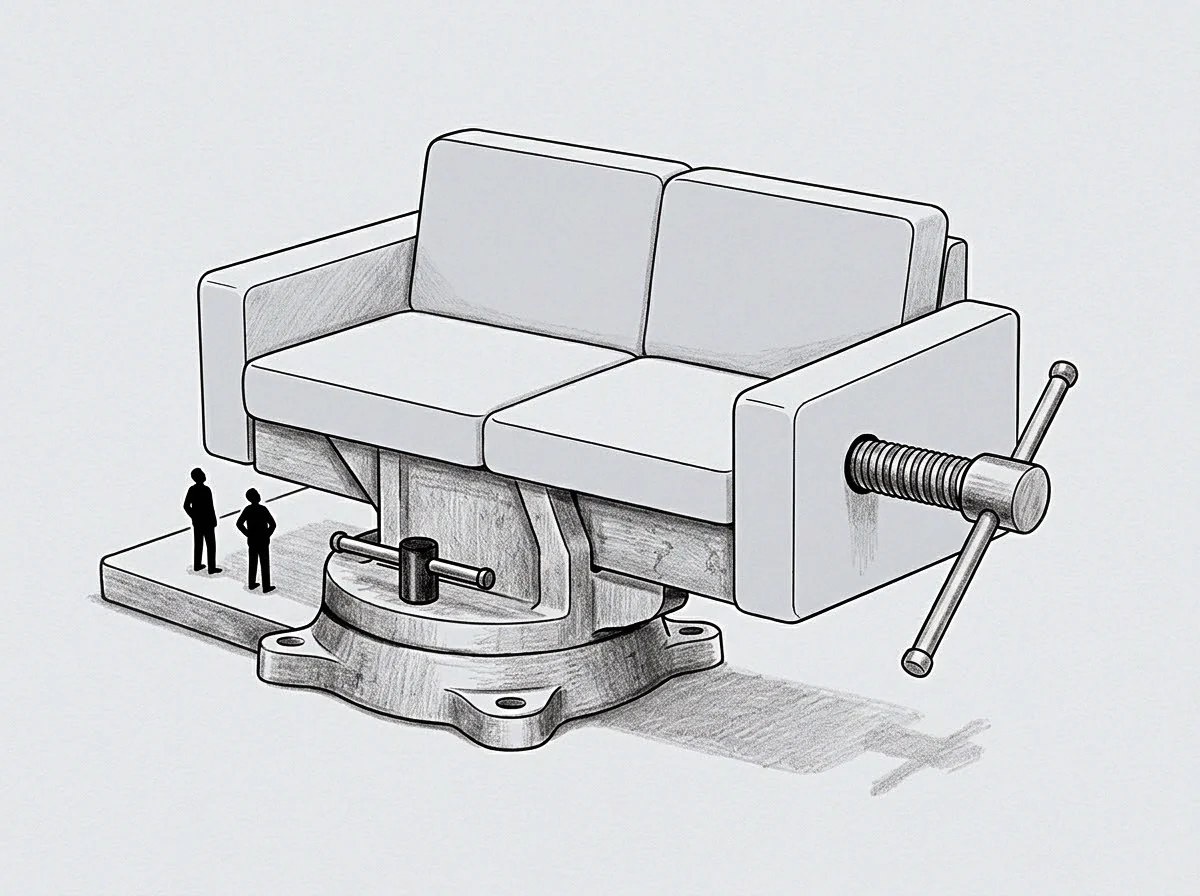
Dynamic performance covenants resolve default friction by establishing pre-agreed financial corridors that adapt to planned operational capital deployment.

Operational compliance from single unreinforced statements measures execution fidelity by calculating drift without secondary management intervention.

Unpoliced early founding parameters generate covert expectations that surface as diagnostic behavioral friction when explicit governance terms arrive.

Unreinforced executive directives erode against established incentives, creating structural friction that triggers psychological contract breach when enforced retroactively.

Unstated equity expectations convert unpriced historical contributions into expanding capitalization liabilities that trigger severe operational disruption at scale.

Unspoken obligations in growing ventures create structural drag that reduces discretionary effort, delays decisions, and inflates cap table remediation costs.

Covert partner expectations convert into binding scale stage terms through formal milestone extraction, performance equity ratchets, and objective governance triggers.

Drafting explicit equity terms in early venture stages acts as a behavioral filter that aligns unstated expectations before capital and effort accrue.

Stating structural terms before resource commitment converts implicit expectations into explicit filters, preventing psychological contract breach as partnerships scale.

Psychological contract breach in ventures is prevented by converting unstated contribution expectations into explicit, quantifiable vesting and governance terms.
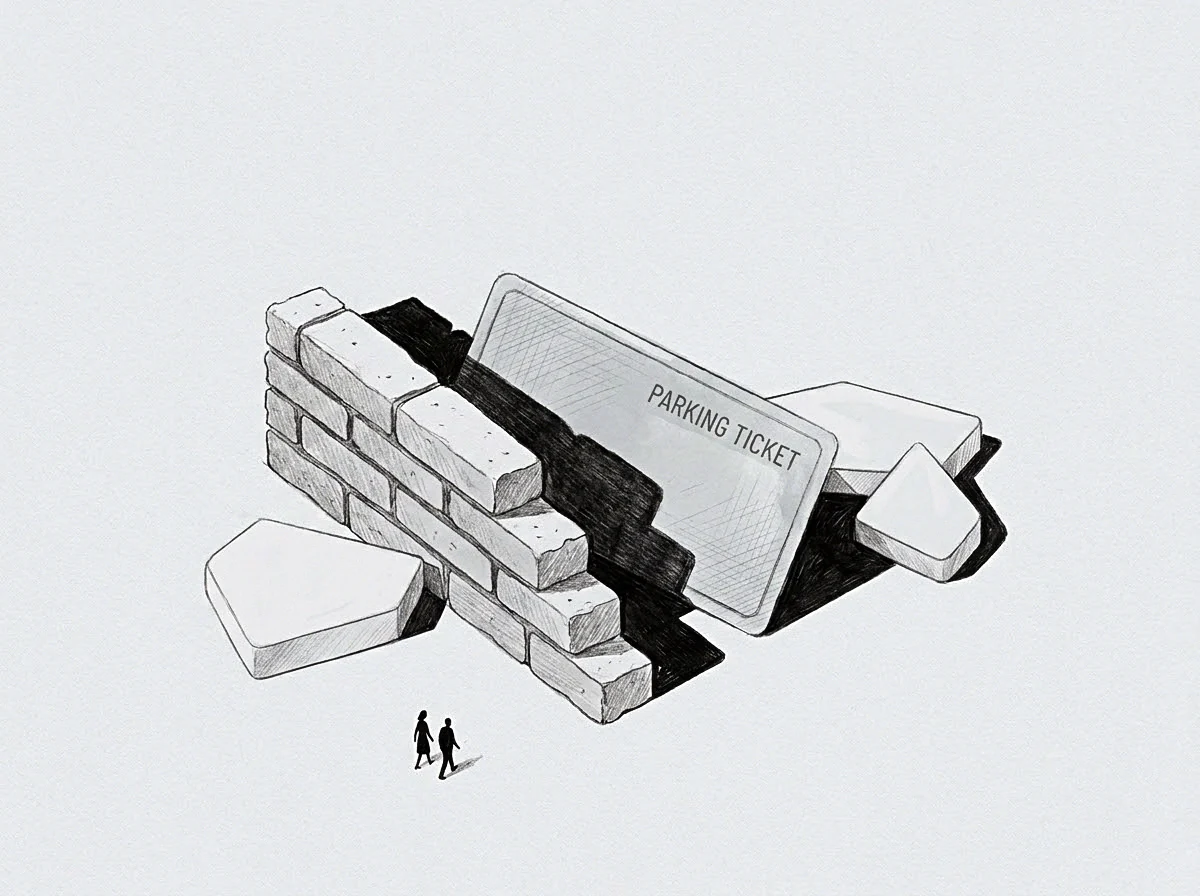
Dynamic equity allocation and structured vesting schedules prevent co-founder conflict by binding ownership to verifiable contributions rather than early emotion.

Variable equity models prevent covert contract breach when allocation rules are stated as explicit operational terms before contribution begins.

Early contribution multipliers convert unpriced inputs into equity claims that collide with unstated relational expectations during formal capitalization.

Unexpected commercial growth strains debt covenant compliance when cash inventory conversion lags behind trailing earnings calculations in senior loan agreements.

Dynamic EBITDA definitions adjust statutory accounting metrics through negotiated add-backs and run-rate synergies to prevent technical covenant default notices.

Aligning debt metrics with operational pivots requires replacing static revenue covenants with trailing cash flow buffers and scheduled amortization pause windows.

Operational compliance rates derive from dividing verified procedural artifacts by total task occurrences against the explicit baseline of the initial directive.

Systemic drift quantifies the exponential degradation of written operational instructions when primary directives lack structural secondary reinforcement loops.

Executive authority erodes when isolated directives lack feedback verification, leaving subordinates to interpret and enforce unmonitored statements through divergent covert expectations.

Unstated early founder commitments create covert psychological contracts that produce escalating equity disputes when formal valuation events force explicit tallies.

Drafting formal agreements exposes the numerical spread between historical informal partner promises and legally enforceable equity allocations.

Secondary operator retrospective claims are measured by quantifying market compensation differentials against documented contributions and extinguishing historical reliance through formal release terms.

Unreinforced directives function either as diagnostic filters testing autonomous alignment or as unstated expectations that generate relational default.
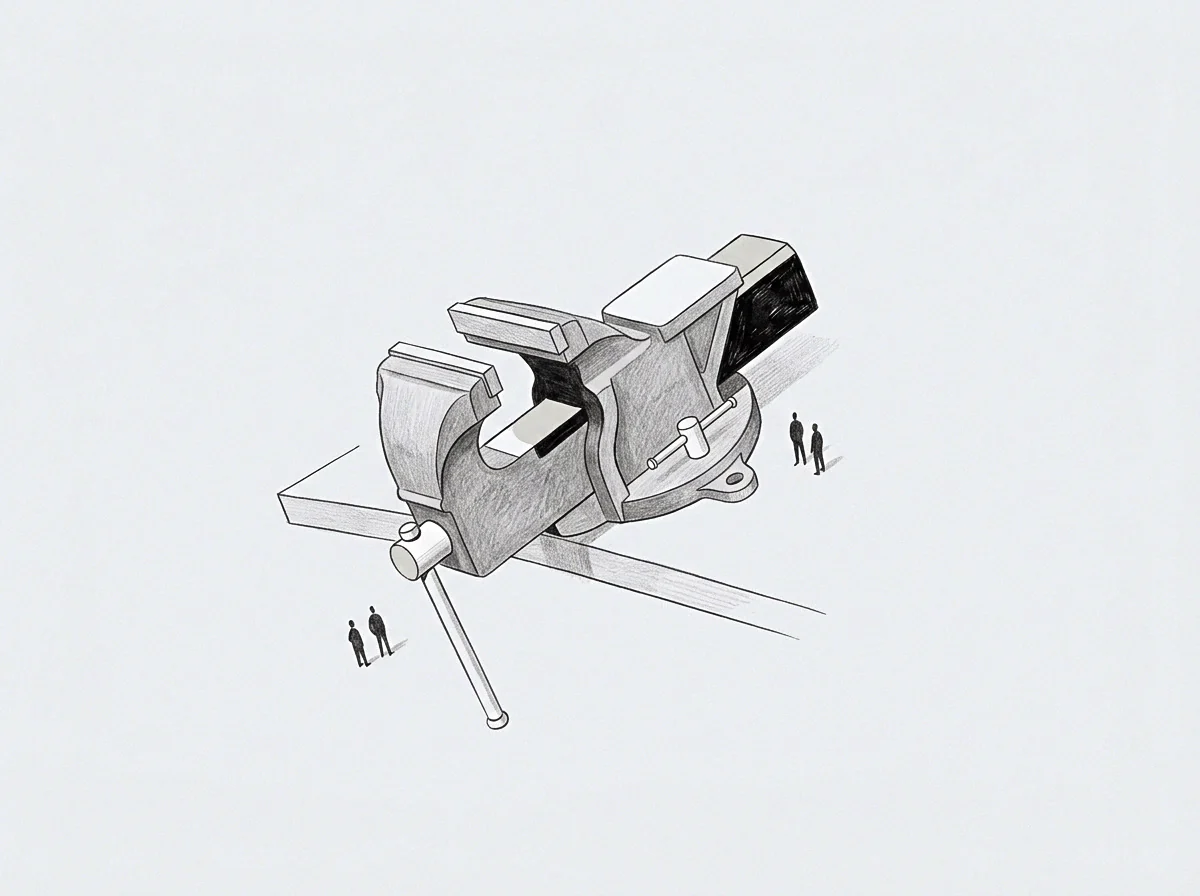
Unverified executive mandates force middle management into covert resource negotiation, creating unmeasured operational friction and velocity loss.
The terms are written where they belong. Each field holds three desks, and every entry a desk writes raises the terms it uses, each term given a meaning, a mechanism and the places it appears. The record on these pages stays first person and hand made; the fields grow the nomenclature.